Established 1998 � Leather Craftsmanship
Leather Clothing Manufacturer
SDF Clothing is a leading leather clothing manufacturer serving global fashion brands since 1998. We specialize in premium leather apparel with 300 piece minimum orders, LWG certified sustainable leather, and 13 international quality standards. From startup brands to established labels, we deliver exceptional leather garments with superior craftsmanship.
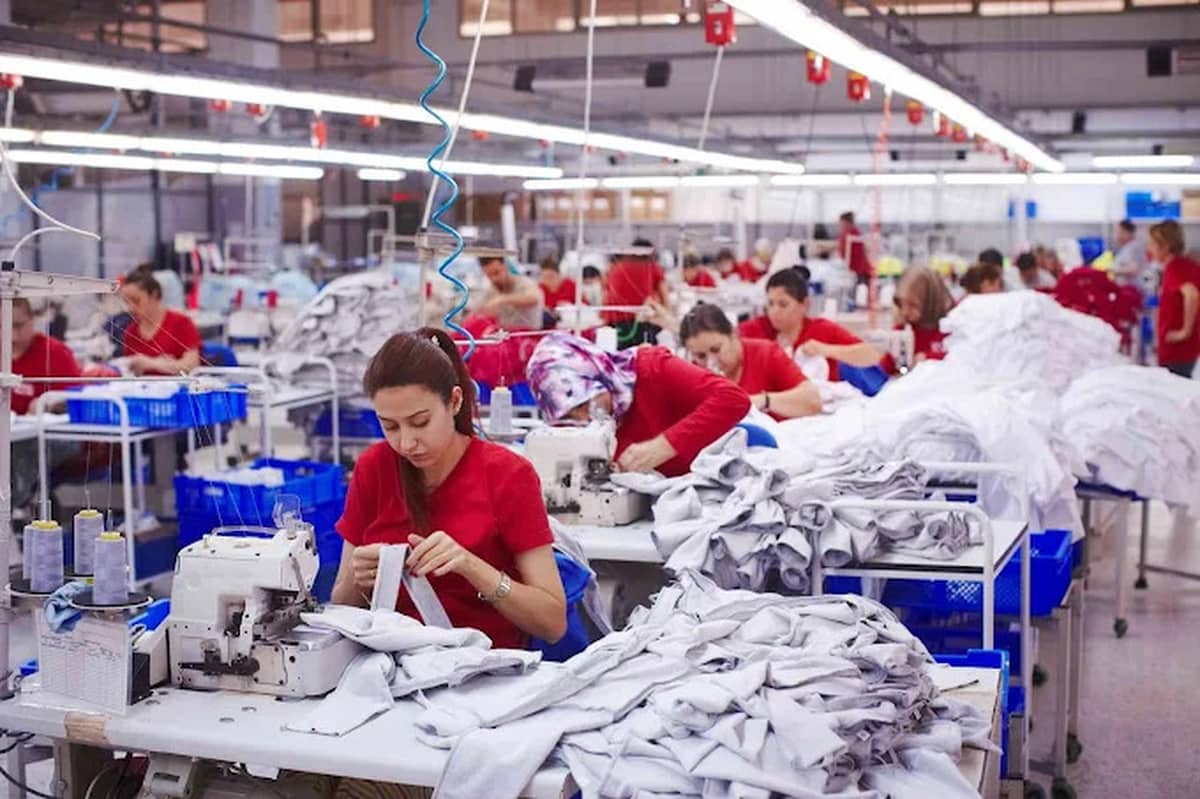
What is a Leather Clothing Manufacturer?
A leather clothing manufacturer specializes in producing garments from leather and leather-like materials. This category requires specialized expertise distinct from textile manufacturing. Leather demands knowledge of hide selection, grain orientation, cutting techniques, specialized stitching methods, and finishing processes. The global leather apparel market exceeds $50 billion annually, with growing demand for premium, sustainable, and ethically-sourced leather products.
Leather clothing manufacturers produce various products including leather jackets, pants, skirts, dresses, vests, and accessories. The manufacturing process involves leather sourcing, hide preparation, pattern cutting considering grain direction, specialized sewing with leather needles, hardware installation (zippers, buckles, snaps), and finishing including edge finishing and conditioning. Specialized manufacturers understand leather characteristics�how different hides behave, proper seam placement to prevent stretching, and appropriate construction for durability.
SDF Clothing has been manufacturing leather garments since 1998, serving over 500 brands across 40+ countries. We produce men's and women's leather apparel using cowhide, lambskin, goatskin, and exotic leathers. Our leather expertise ensures premium quality, proper construction, and exceptional durability. For brands seeking low MOQ clothing manufacturers or clothing manufacturers for startups, we offer 300 piece minimums with flexible sizing.
Why Choose a Specialized Leather Clothing Manufacturer?
Leather clothing requires specialized manufacturing expertise that general garment factories lack. Leather has unique properties and requires specific handling techniques. Choosing a specialized leather manufacturer ensures your products meet quality and durability standards.
Leather Expertise
Leather manufacturers understand hide characteristics�grain orientation, stretch direction, thickness variations, and natural markings. We know how to cut leather to maximize yield while maintaining structural integrity. General textile manufacturers may not understand leather-specific requirements, leading to poor fit or premature wear. Our leather expertise ensures garments that perform and last.
Specialized Equipment
Leather requires specialized sewing machines with leather-specific needles, feed dogs, and presser feet. Cutting requires leather-specific knives or die-cutting machines. Edge finishing uses specialized tools. Leather manufacturers invest in this equipment, while general factories may not have proper leather-working tools. Proper equipment is essential for quality leather garment construction.
Sustainable Sourcing
Leather sustainability is increasingly important. Specialized manufacturers can source LWG-certified leather from responsible tanneries, vegetable-tanned leather for eco-conscious brands, and traceable hides. We understand leather certification and can provide documentation for sustainability claims. For brands prioritizing ethical sourcing, certified leather is essential.
Hardware Knowledge
Leather garments often require hardware�zippers, buckles, snaps, studs. Specialized manufacturers have established supply chains for quality hardware that complements leather. We can recommend appropriate hardware types, finishes, and placement for optimal functionality and aesthetics. Hardware quality significantly impacts leather garment durability and appearance.
Finishing Expertise
Leather garments require specialized finishing�edge painting, burnishing, conditioning, and protective treatments. These finishes enhance appearance and durability. Specialized manufacturers have finishing expertise and proper facilities. General manufacturers may not understand leather finishing requirements, resulting in garments that deteriorate quickly.
Low MOQ Flexibility
Many leather manufacturers require large minimums due to material costs. SDF offers 300 piece minimums per style with flexible size and color combinations. This allows you to test designs, launch multiple styles, or scale gradually. Our low MOQ leather expertise makes us ideal for emerging leather brands.
How SDF Clothing Handles Leather Manufacturing
SDF Clothing approaches leather manufacturing with expertise developed over 25 years. We understand that leather is an investment�customers expect durability, quality, and premium feel. Our manufacturing process prioritizes these factors while offering competitive pricing and low minimums for startup brands.
Premium Leather Sourcing
We source leather from LWG-certified tanneries ensuring environmental and social responsibility. We offer cowhide for durability, lambskin for softness, goatskin for flexibility, and exotic leathers for luxury positioning. Vegetable-tanned options are available for eco-conscious brands. We can source specific leather types based on your requirements or recommend optimal options for your market.
Expert Construction
Our leather craftsmen understand grain orientation, cutting techniques that maximize yield while maintaining strength, and seam placement that prevents stretching. We use leather-specific sewing machines and techniques. Each garment is constructed with attention to leather-specific requirements�reinforced stress points, appropriate seam allowances, and proper edge finishing.
Certified Quality
We hold 13 international certifications including LWG (sustainable leather), OEKO-TEX (chemical safety), BSCI (social compliance), WRAP (ethical manufacturing), ISO 9001 (quality management), and C-TPAT (supply chain security). Each certification is verified by third-party auditors. Learn more about our complete certification portfolio. If you need help with designs, our tech pack service can assist.
Hardware Sourcing
We source quality hardware�YKK zippers, metal buckles, decorative snaps�that complement our leather garments. Hardware selection impacts functionality and aesthetics. We can recommend appropriate hardware types and finishes based on your design and target market. Quality hardware ensures durability and consistent performance.
Low MOQ Specialization
Our 300 piece minimum per style makes us accessible to brands testing new designs, launching multiple styles, or scaling gradually. We understand leather material costs but offer competitive pricing through efficient sourcing and production. This flexibility has made us a preferred partner for over 500 startup brands since 1998. Our fit engineering service ensures proper fit, and our grading service provides accurate sizing. Our sampling service helps perfect designs before bulk production.
Dedicated Support
Each client works with a dedicated account manager who understands leather apparel requirements. We provide regular production updates, photos of samples, and proactively communicate about any potential delays. Our 98% on-time delivery rate reflects our commitment to reliability. Whether you need private label manufacturing or full OEM production, we adapt to your brand's needs.
Leather Types for Clothing
Leather choice significantly impacts garment characteristics, cost, and positioning. Understanding different leather types helps you select the right materials for your brand and target market.
Cowhide
Cowhide is the most common leather for clothing, known for durability and strength. It's thicker and more robust than other leathers, making it ideal for jackets, pants, and outerwear. Cowhide develops a beautiful patina over time, adding character to garments. We offer various cowhide finishes including smooth, nubuck, and distressed options.
Lambskin
Lambskin is known for exceptional softness and lightweight characteristics. It's more delicate than cowhide but offers luxurious feel and draping. Lambskin is ideal for dresses, skirts, lightweight jackets, and luxury garments. It requires careful handling but rewards with premium comfort and appearance.
Goatskin
Goatskin offers a balance of durability and flexibility. It's stronger than lambskin but lighter than cowhide. Goatskin has distinctive grain patterns and excellent abrasion resistance. It's ideal for jackets, vests, and garments requiring both durability and moderate weight. We offer various goat leather finishes.
Exotic Leathers
Exotic leathers including snake, alligator, ostrich, and crocodile offer unique textures and luxury positioning. These materials require specialized sourcing and handling. We can source certified exotic leathers with proper documentation. Exotic leathers command premium pricing and are ideal for luxury brand positioning.
Vegetable-Tanned Leather
Vegetable-tanned leather uses natural tannins from tree bark and leaves, avoiding harsh chemicals. It's more environmentally friendly and develops a rich patina. Vegetable-tanned leather is ideal for eco-conscious brands. We offer LWG-certified vegetable-tanned options with complete sustainability documentation.
Sustainable Certification
For leather, sustainability certification is crucial. We prioritize LWG (Leather Working Group) certification, which ensures environmental responsibility, social compliance, and traceability throughout the leather supply chain. LWG certification is the gold standard for sustainable leather. We provide complete certification documentation.
Leather Clothing Production Process
Understanding the leather production process helps you manage expectations and ensure smooth collaboration. Here's our complete workflow from design to delivery.
Design and Tech Pack
Provide detailed technical specifications including measurements, leather type, thickness, colors, and construction details. Specify hardware types, lining requirements, edge finishing, and special features. For leather, specify grain orientation preferences and seam placement considerations. Well-prepared tech packs reduce sampling time. If you need design assistance, we can help develop concepts.
Leather Sourcing
We source leather based on your specifications�cowhide, lambskin, goatskin, or exotic options. We can provide leather swatches for your approval before bulk production. For sustainability claims, we source LWG-certified leather with complete documentation. Leather sourcing typically takes 5-7 days for stock hides or 14-21 days for custom developments or exotic leathers.
Sample Development
We develop pre-production samples for your approval, typically taking 10-14 days due to leather preparation and conditioning. You'll receive photos first, then physical samples via courier. Test samples thoroughly for leather quality, construction, fit, and finish. Approve samples in writing before bulk production. Sample costs are credited against bulk orders.
Bulk Production
Once samples are approved, pay the deposit (typically 30%) to start production. We provide a production schedule with key milestones: leather cutting, sewing, hardware installation, finishing, quality inspection, and conditioning. Production time is usually 35-45 days from deposit to shipment. We send regular updates including production photos. Leather production requires attention to detail at each step.
Quality Inspection and Shipment
Before shipment, we conduct AQL 2.5 quality inspection checking leather quality, seam strength, hardware functionality, and finishing. You can request third-party inspection. Once inspection passes, pay the balance (70%) and we release shipment. We handle export documentation, customs clearance, and coordinate with your freight forwarder. Shipping time varies by destination.
Leather Type Comparison
Different leather types offer unique characteristics for clothing. Understanding these differences helps you select the optimal material for your brand and target market.
| Leather Type | Durability | Softness | Weight | Cost | Best For |
|---|---|---|---|---|---|
| Cowhide | Very High | Medium | Heavy | Low-Medium | Jackets, pants, outerwear |
| Lambskin | Medium | Very High | Light | High | Dresses, skirts, luxury items |
| Goatskin | High | High | Medium | Medium | Vests, jackets, versatile items |
| Exotic | High | Variable | Variable | Very High | Luxury positioning, accessories |
| Vegetable-Tanned | High | Medium | Medium | Medium-High | Eco-conscious brands |
| Finish Type | Description | Best For | Cost |
|---|---|---|---|
| Full Grain | Natural surface, retains grain marks, most durable | High-end jackets, boots | Premium |
| Top Grain | Sanded surface, consistent appearance | General leather goods | Medium-High |
| Genuine | Sanded and treated, lower quality layers | Budget items | Medium |
| Pigmented | Painted surface, uniform color | Color consistency needed | Medium |
| Patina | Natural aging finish, develops character | Heritage brands | Premium |
Success Story: European Brand Launches Leather Line
A European-based premium fashion brand approached SDF Clothing in 2023 to launch a leather jacket collection. The brand had designed premium cowhide jackets with specific hardware but struggled to find a manufacturer offering both leather quality and competitive pricing for their EU market.
The Challenge
The brand required premium cowhide with specific finish, YKK zippers, custom hardware, and precise construction. Their target market was luxury-conscious consumers seeking quality leather. European manufacturers quoted prices 2.5x above their target with 12-14 week lead times. The brand needed to launch within 5 months for the autumn season while maintaining premium positioning.
The Solution
SDF Clothing provided FOB pricing 40% below European quotes with a 6-week lead time. We sourced premium cowhide with exact specifications, developed samples in 12 days, and accommodated their 500-piece MOQ across 2 styles with 6 sizes each. Our team provided complete leather documentation and hardware specifications. Leather quality and construction met premium standards.
The Result
The brand launched on schedule in September 2023. Initial quality inspection showed 99% pass rate�exceptional for leather garments. Customer feedback praised leather quality and hardware durability, validating premium positioning. The brand's luxury claims were supported by material quality and construction. The brand placed a second order in February 2024 for 2,000 pieces, scaling up 4x.
Key Takeaways
This case demonstrates how leather manufacturing can support premium brands. Leather quality, hardware expertise, and competitive pricing made it possible. The brand saved approximately �100,000 annually on production costs versus European manufacturing while maintaining premium quality. The success led to expanding the product line to include leather pants and accessories.
Common Mistakes Brands Make with Leather Manufacturing
Working with leather manufacturers presents unique challenges. Many brands make avoidable mistakes that impact quality, durability, and customer satisfaction. Learn from these common pitfalls.
Compromising on Leather Quality
Some brands choose lower-quality leather to reduce costs, resulting in garments that don't perform or last. Leather quality directly impacts garment durability and customer satisfaction. We advise on appropriate leather quality for your price point�better to reduce style count than compromise on leather quality.
Ignoring Grain Orientation
Leather has grain orientation that affects stretch and durability. Some manufacturers don't consider grain direction when cutting, resulting in garments that stretch unevenly or lose shape. We always cut considering grain orientation to maintain structural integrity and proper fit.
Using Inappropriate Hardware
Hardware quality and type significantly impact leather garment functionality. Some brands choose cheap hardware that fails or doesn't complement leather aesthetics. We source quality hardware�YKK zippers, solid metal buckles�that ensures durability and cohesive design.
Neglecting Edge Finishing
Leather edges require proper finishing�painting, burnishing, or binding�to prevent fraying and ensure clean appearance. Some manufacturers skip proper edge finishing, resulting in garments that deteriorate quickly. We always apply appropriate edge finishing for durability and aesthetics.
Not Verifying Sustainability
Leather sustainability is increasingly important to consumers. Some brands don't verify leather certification, risking sourcing from irresponsible tanneries. Always request LWG certification for leather sustainability claims. We provide complete LWG documentation for all leather sourcing.
Insufficient Sample Testing
Leather garments should be tested for wear and fit before bulk production. Some brands approve samples after only visual inspection, missing issues revealed through actual use. We recommend wear testing samples to verify leather performance, construction durability, and comfort before bulk orders.
Leather Apparel Market Trends
The leather apparel market continues to evolve with changing consumer preferences and technological innovations. Understanding these trends helps brands position their products effectively and identify growth opportunities.
Sustainability Focus
Consumers increasingly prioritize sustainable leather from LWG-certified tanneries and vegetable-tanned options. Brands that can provide complete supply chain transparency and environmental documentation gain competitive advantage. Sustainable leather is transitioning from niche to mainstream expectation.
Vegan Leather Growth
Faux leather and vegan alternatives are growing rapidly, driven by animal welfare concerns and sustainability preferences. Bio-based vegan leathers from pineapple, mushroom, and other innovative sources are gaining traction. Many brands now offer both leather and vegan options to serve diverse customer segments. For brands seeking vegan alternatives, we also operate as a faux leather clothing manufacturer.
Performance Leather
Performance leather with water-resistant, stretch, and technical properties is expanding beyond motorcycle and outdoor gear into fashion. Consumers want leather that maintains appearance while offering practical functionality. Technical finishes and treatments enhance leather performance without compromising aesthetics.
Premium Positioning
Leather continues to signal luxury and quality. Brands emphasize craftsmanship, heritage, and material provenance to justify premium pricing. Storytelling about leather sourcing, tanning methods, and construction techniques builds brand value and customer connection. Premium leather positioning requires consistent quality across all production runs.
Ready to Create Your Leather Collection?
SDF Clothing has been manufacturing premium leather garments for over 25 years. Our leather expertise, low MOQ flexibility, and certified quality make us ideal for startup and established brands. We combine premium leather sourcing, expert craftsmanship, and dedicated support to deliver leather garments that exceed expectations.
Whether you're launching your first leather collection or scaling an established brand, our manufacturing capabilities can support your growth. We offer OEM, private label, and CMT options with 300 piece minimums. Contact us today to discuss how we can bring your leather vision to life.