BSCI, WRAP & Fair Trade Certified � Since 1998
Ethical Clothing Manufacturer � Fair Trade, BSCI and WRAP Certified Since 1998
SDF Clothing is an ethical clothing manufacturer providing fair wage production, safe working conditions, and verified labor rights compliance. Our BSCI, WRAP, and Fair Trade certifications ensure your garments are produced ethically. We serve EU, UK, and US brands with transparent, audited manufacturing since 1998. Get certified ethical production with full audit documentation.
What Makes a Clothing Manufacturer Ethical?
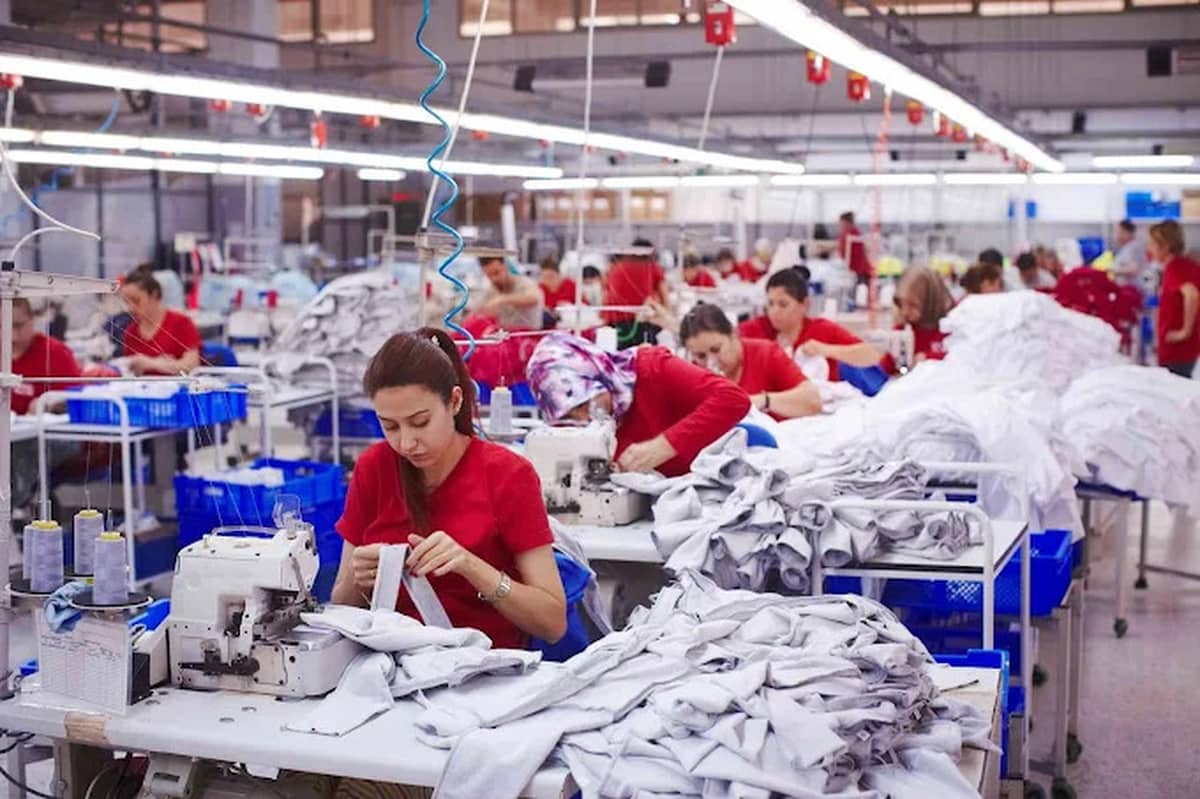
"Ethical" has become a marketing buzzword in fashion, but genuine ethical manufacturing requires specific, verifiable practices. True ethical manufacturing ensures workers receive fair wages, work in safe conditions, have freedom of association, and are free from forced labor, child labor, and discrimination. These principles are not voluntary niceties�they are fundamental human rights protected by international labor standards and enforced through third-party certification programs.
Ethical manufacturing addresses multiple dimensions of worker welfare. Fair wages mean workers earn enough to support themselves and their families with dignity, often exceeding local minimum wage requirements. Safe working conditions include proper ventilation, fire safety, ergonomic workstations, and protective equipment. No forced labor means workers can leave employment freely without coercion. No child labor means no workers under the legal employment age. Freedom of association allows workers to form or join unions and bargain collectively. Discrimination prohibition ensures equal treatment regardless of gender, religion, ethnicity, or other protected characteristics.
Verification is critical because ethical claims are easily made but difficult to prove. Third-party certifications like BSCI, WRAP, and Fair Trade require annual audits by independent auditors who verify compliance with specific standards. These certifications provide audit reports that brands can review to verify ethical claims. Without third-party verification, "ethical" claims are just marketing statements with no substance. Genuine ethical manufacturers welcome scrutiny and provide full documentation to demonstrate compliance.
Ethical Manufacturing Requirements
This table outlines the core requirements for ethical clothing manufacturing, the certifications that verify each requirement, and warning signs that indicate potential ethical violations. Use this framework to evaluate manufacturers and identify genuine ethical production.
| Requirement | What It Means | Certification | Red Flags |
|---|---|---|---|
| Fair Wages | Living wage or above minimum | BSCI, WRAP, Fair Trade | Below minimum wage, piece-rate exploitation |
| Safe Conditions | Fire safety, ventilation, PPE | BSCI, WRAP, SMETA | Blocked exits, no safety equipment |
| No Forced Labor | Free to leave employment | WRAP, Fair Trade | Passport confiscation, debt bondage |
| No Child Labor | No workers under legal age | BSCI, WRAP, Fair Trade | Underage workers, no age verification |
| Freedom of Association | Right to unionize | BSCI, Fair Trade | Anti-union policies, worker suppression |
Table: Ethical manufacturing requirements, verification certifications, and warning signs. Source: International Labour Organization conventions, BSCI code of conduct, WRAP principles.
BSCI Certification � Social Compliance for Fashion Manufacturing
BSCI (Business Social Compliance Initiative), now part of amfori, is one of the most widely recognized social compliance certifications in the fashion industry. Founded in 2003 by the Foreign Trade Association, BSCI harmonizes social compliance requirements across global supply chains. BSCI certification demonstrates a manufacturer's commitment to workers' rights, fair remuneration, occupational health and safety, and environmental protection. For brands sourcing from multiple countries, BSCI provides a consistent framework for evaluating social compliance.
BSCI covers 13 performance areas: fair remuneration, decent working hours, occupational health and safety, no child labor, no forced labor, no discrimination, freedom of association, disciplinary practices, regular employment, protection of the environment, ethical business behavior, management systems, and information and internal communication. This comprehensive coverage ensures all aspects of worker welfare are addressed. BSCI audits are conducted by independent auditors who assess factory compliance against these performance areas, producing detailed reports that brands can review.
BSCI certification is particularly important for EU market access. Many European retailers require BSCI certification from their suppliers as a baseline requirement for social compliance. The certification is recognized across the EU and increasingly in UK and US markets. BSCI's audit methodology aligns with International Labour Organization conventions and UN Guiding Principles on Business and Human Rights, providing brands with defensible evidence of social compliance. For brands selling to multiple markets, BSCI certification provides a single, widely-recognized standard that satisfies many retailer requirements.
BSCI Performance Areas Explained
BSCI's 13 performance areas provide a comprehensive framework for social compliance. This table explains each area, what auditors look for, and why it matters for ethical manufacturing.
| Performance Area | What Auditors Check | Why It Matters |
|---|---|---|
| Fair Remuneration | Wages meet legal minimum, paid on time | Workers can support families with dignity |
| Decent Working Hours | Overtime not excessive, rest days provided | Prevents worker exploitation and fatigue |
| Occupational Health & Safety | Fire safety, first aid, protective equipment | Protects workers from injury and death |
| No Child Labor | Age verification, no underage workers | Protects children's rights and education |
| No Forced Labor | Free to leave, no coercion or debt bondage | Fundamental human right, prevents exploitation |
| Freedom of Association | Right to form unions, collective bargaining | Workers can advocate for their rights |
Table: BSCI performance areas with audit criteria and importance. BSCI certification requires compliance across all 13 areas. Source: amfori BSCI code of conduct.
SDF Clothing maintains current BSCI certification with regular audits demonstrating compliance across all performance areas. We provide audit reports to clients upon request, enabling brands to verify our social compliance credentials. Our Bangladesh operations and Vietnam operations both hold BSCI certification, providing consistent social compliance across our manufacturing locations.
WRAP Certification � Ethical Manufacturing with Zero Tolerance
WRAP (Worldwide Responsible Accredited Production) is a globally recognized certification for ethical manufacturing with zero tolerance for forced labor, child labor, and discrimination. Founded in 2000, WRAP certifies manufacturing facilities worldwide against 12 principles covering labor rights, workplace safety, and environmental management. WRAP certification is particularly important for UK and US markets, where major retailers recognize WRAP as evidence of ethical manufacturing compliance.
WRAP's 12 principles include compliance with laws and workplace regulations, prohibition of forced labor, prohibition of child labor, prohibition of harassment or abuse, compensation and benefits, hours of work, prohibition of discrimination, health and safety, freedom of association and collective bargaining, environment, customs compliance, and security. WRAP audits are conducted by independent monitors who assess factory compliance through document review, worker interviews, and facility inspections. Certification requires annual audits and corrective action plans for any non-compliance issues.
WRAP certification is distinguished by its zero tolerance policy for forced labor and child labor. Unlike some certification programs that allow corrective action periods for serious violations, WRAP requires immediate termination of any non-compliance with these fundamental principles. This zero tolerance approach provides brands with confidence that WRAP-certified facilities have never engaged in forced or child labor. For brands targeting UK markets, WRAP certification is often a requirement for department store and ethical retailer partnerships.
WRAP 12 Principles
WRAP's 12 principles provide comprehensive ethical manufacturing coverage. This table lists each principle, audit requirements, and relevance for brands sourcing ethical clothing.
| Principle | Audit Requirement | Brand Relevance |
|---|---|---|
| Compliance with Laws | All local labor laws followed | Legal risk mitigation |
| Prohibition of Forced Labor | Zero tolerance, immediate termination | Fundamental human right |
| Prohibition of Child Labor | Zero tolerance, age verification | Child protection |
| Prohibition of Harassment | No abuse, grievance mechanisms | Worker dignity |
| Compensation & Benefits | Minimum wage, legal benefits | Fair wage foundation |
| Health & Safety | Safe conditions, emergency preparedness | Worker protection |
Table: WRAP 12 principles with audit requirements and brand relevance. WRAP certification requires compliance with all principles. Source: WRAP certification program documentation.
SDF Clothing holds current WRAP certification with zero tolerance for forced labor and child labor. Our audit reports demonstrate compliance across all 12 WRAP principles. For UK brands requiring WRAP certification for retail partnerships, we provide full documentation and verification through the official WRAP database at wrapcompliance.org. Our UK-focused manufacturing services include WRAP certification support for retailer compliance.
Fair Trade Certification � Fair Wages and Community Development
Fair Trade certification goes beyond basic compliance to ensure workers receive fair wages, work in safe conditions, and benefit from community development funds. Fair Trade certified factories pay the Fair Trade Minimum Price or Fair Trade Premium, which workers democratically invest in community projects like education, healthcare, and infrastructure. Fair Trade appeals to brands targeting premium segments with strong ethical positioning and consumers willing to pay verified fair labor premiums.
Fair Trade certification requirements include fair wages meeting or exceeding living wage standards, safe working conditions with proper health and safety measures, no forced or child labor, freedom of association and collective bargaining rights, environmental protection criteria, and community development premiums. The Fair Trade Premium is an additional sum paid on top of the Fair Trade Minimum Price that workers collectively decide how to invest in their communities. This democratic investment process gives workers agency and addresses community needs identified by workers themselves.
Fair Trade certification is particularly valuable for brands targeting consumers who prioritize worker welfare and community impact. The Fair Trade label is widely recognized by consumers as a mark of ethical production. Fair Trade certified products typically command retail price premiums of 15-25%, helping brands offset the higher production costs associated with fair wage payments. For brands positioned in premium segments with strong ethical messaging, Fair Trade certification provides both ethical substance and marketing value.
Fair Trade Benefits for Workers and Brands
Fair Trade certification delivers tangible benefits to workers and brands. This table outlines worker benefits, brand advantages, and implementation considerations.
| Benefit | For Workers | For Brands |
|---|---|---|
| Fair Wages | Living wage or above | Ethical positioning, premium pricing |
| Community Premium | Democratic investment in community projects | Storytelling content, brand purpose |
| Safe Conditions | Health and safety protections | Risk mitigation, reputation protection |
| Worker Voice | Freedom of association, collective bargaining | Transparency, stakeholder trust |
| Recognition | Dignity and respect | Consumer recognition, market differentiation |
Table: Fair Trade certification benefits for workers and brands. Fair Trade requires annual certification and transparent reporting. Source: Fair Trade International standards.
SDF Clothing offers Fair Trade certified production for brands seeking the highest level of ethical verification. Our Fair Trade certified facilities provide full documentation of fair wage payments, community premium investments, and worker participation in decision-making. For brands targeting premium ethical segments, Fair Trade certification provides both substantive worker benefits and powerful marketing credentials. Contact us to discuss Fair Trade production options for your collection.
How to Verify a Manufacturer's Ethical Claims
Verifying ethical claims is essential because unsubstantiated ethical statements are meaningless. Many manufacturers claim to be "ethical" without third-party verification, making it impossible for brands to assess actual labor practices. Genuine ethical manufacturers provide certification numbers, audit reports, and verification links that enable brands to independently verify compliance. This section provides a step-by-step process for verifying ethical manufacturing claims and identifying genuine versus deceptive claims.
The verification process begins with requesting certification numbers for all claimed certifications. BSCI certificates can be verified through the amfori database at amfori.org. WRAP certificates can be verified through the WRAP database at wrapcompliance.org. Fair Trade certificates can be verified through Fair Trade International at fairtrade.net. Always verify certificate validity dates and ensure the factory name matches the certificate holder. Fraudulent certificates exist in the market, so direct verification through official databases is essential.
Beyond certificate verification, request current audit reports showing compliance scores and any corrective actions required. Audit reports provide detailed evidence of factory performance across specific criteria. Look for audit dates within the past 12 months�certifications older than this may not reflect current conditions. Ask for evidence of fair wage payments, working hour records, and safety incident reports. Genuine ethical manufacturers provide this documentation willingly and transparently.
Ethical Verification Checklist
Use this checklist to systematically verify manufacturer ethical claims. Complete verification across all items provides confidence in genuine ethical production.
| Verification Item | How to Verify | Red Flag |
|---|---|---|
| Certificate Validity | Check official database for current status | Expired certificate, database mismatch |
| Audit Reports | Request recent audit within 12 months | No audit available, audit older than 2 years |
| Fair Wage Evidence | Review wage slips, compare to living wage | Below minimum wage, no wage documentation |
| Working Hours | Check time records, overtime limits | Excessive overtime, no time records |
| Safety Records | Review incident reports, safety inspections | No safety documentation, repeated incidents |
Table: Ethical manufacturing verification checklist with verification methods and red flags. Complete verification requires checking all items. Source: Best practices for ethical supply chain due diligence.
SDF Clothing provides full documentation for verification including BSCI, WRAP, and Fair Trade certificates, current audit reports, wage documentation, and safety records. We encourage brands to conduct third-party inspections of our facilities and verify all claims independently. Our ethical manufacturing verification guide provides detailed step-by-step instructions for complete supply chain due diligence.
Ethical Manufacturing Costs � Is It More Expensive?
Yes, ethical manufacturing costs more than conventional production, but the premium is often smaller than brands expect. Ethical manufacturing typically costs 5-10% more than conventional production due to fair wage premiums, safety investments, and certification costs. However, these costs enable 15-30% retail price premiums as consumers pay more for verified ethical products. The key question is not whether ethical manufacturing costs more, but whether the premium enables profitable positioning and reduces reputational risk.
Fair wage premiums account for 3-5% of the cost increase, as ethical manufacturers pay above minimum wage and often provide benefits like health insurance and paid leave. Safety investments including fire suppression systems, proper ventilation, ergonomic workstations, and protective equipment add 1-2% to costs. Certification costs including audit fees, documentation systems, and compliance management add 1-3%. When combined, these elements typically total 5-10% above conventional manufacturing costs.
However, ethical certification enables significant retail price premiums. Consumer research shows that 60-70% of consumers are willing to pay more for ethically produced clothing, with actual premiums ranging from 15-30% for certified ethical products. This premium more than covers the 5-10% production cost increase, making ethical manufacturing profitable when properly positioned and marketed to conscious consumers. Additionally, ethical manufacturing reduces reputational risk from supply chain scandals, which can cost brands millions in lost sales and brand damage.
Ethical Cost Premium Breakdown
This table shows typical cost premiums for ethical manufacturing elements and the retail price premiums brands can achieve. Actual costs vary based on location, factory size, and specific requirements.
| Cost Element | Cost Premium | Retail Price Premium |
|---|---|---|
| Fair Wages | +3-5% production cost | +10-15% retail |
| Safety Investments | +1-2% production cost | +5-8% retail |
| Certification Costs | +1-3% production cost | +5-10% retail |
| Full Ethical Production | +5-10% total cost | +15-30% retail |
Table: Ethical manufacturing cost premiums versus retail price potential. Data based on industry analysis of certified ethical fashion brands versus conventional alternatives.
The profitability of ethical manufacturing depends on brand positioning and target market. For brands targeting mass market price points, ethical manufacturing may compress margins. For brands targeting premium segments with conscious consumers, ethical manufacturing enables premium pricing that more than covers the cost increase. Our clothing manufacturing cost guide provides detailed breakdowns of conventional and ethical production costs across product categories.
SDF Clothing's Ethical Manufacturing Credentials
SDF Clothing has been an ethical manufacturer since our founding in 1998. We hold BSCI, WRAP, and Fair Trade certifications covering all our manufacturing operations. Our certifications are verified by third-party auditors and available for client verification through official databases. We do not make ethical claims without verification�every ethical statement we make is backed by audit reports and certification documentation. This transparency enables brands to substantiate their ethical claims when working with SDF as their manufacturing partner.
Our BSCI certification demonstrates compliance across all 13 performance areas including fair remuneration, occupational health and safety, no child labor, no forced labor, and freedom of association. Our WRAP certification confirms zero tolerance for forced labor, child labor, and discrimination across all 12 WRAP principles. Our Fair Trade certification verifies fair wage payments, safe working conditions, and community development premium investments. Together, these certifications provide comprehensive ethical manufacturing verification for EU, UK, and US markets.
Beyond certifications, we implement ethical practices throughout our operations. Our workers receive wages above local minimums with regular increases. We provide health insurance, paid leave, and maternity benefits. Our facilities feature fire suppression systems, proper ventilation, ergonomic workstations, and comprehensive safety equipment. We maintain grievance mechanisms enabling workers to report concerns without retaliation. Our facilities are open to third-party inspections and we welcome client visits to verify our practices firsthand.
Our Ethical Certification Portfolio
SDF Clothing holds the following ethical certifications, each verified through official databases. We provide certificate numbers and verification links to all clients upon request.
Brands partnering with SDF gain access to our full ethical certification portfolio, enabling them to make verified ethical claims. We provide audit reports, wage documentation, and verification documentation to support your marketing and retailer compliance. Visit our certifications page for detailed information on each certification, including scope, validity, and verification instructions. For brands requiring specific ethical credentials not listed, contact us to discuss�we regularly add new certifications to meet client and market requirements.
Ethical Clothing Manufacturing FAQ
What makes a clothing manufacturer ethical?
Ethical clothing manufacturing ensures fair wages, safe working conditions, no forced or child labor, freedom of association, and environmental responsibility. Key certifications include BSCI for social compliance, WRAP for ethical manufacturing, Fair Trade for fair wages and trade practices, and SMETA for ethical trade audits. Genuine ethical manufacturers undergo regular third-party audits and publish audit reports demonstrating compliance with international labor standards.
Is BSCI or WRAP certification better for ethical manufacturing?
BSCI and WRAP serve complementary purposes. BSCI focuses on social compliance across 13 performance areas including workers' rights, fair remuneration, and occupational health and safety. WRAP certifies ethical manufacturing with zero tolerance for forced labor, child labor, and discrimination. Many ethical manufacturers hold both certifications�BSCI for comprehensive social compliance and WRAP for ethical manufacturing verification. Both are recognized by major retailers in EU, UK, and US markets.
How do I verify a manufacturer's ethical claims?
Verify ethical claims through certification databases: BSCI at amfori.org, WRAP at wrapcompliance.org, Fair Trade at fairtrade.net. Request current audit reports and check certificate validity dates. Look for specific compliance data rather than vague statements. Ask for evidence of fair wages, working hours, and safety records. Genuine ethical manufacturers provide audit reports, verification links, and welcome third-party inspections. Be skeptical of manufacturers who refuse to share certification documentation.
What is Fair Trade certification in clothing manufacturing?
Fair Trade certification ensures workers receive fair wages, work in safe conditions, and have community development funds. Fair Trade certified factories pay the Fair Trade Minimum Price or Fair Trade Premium, which workers democratically invest in community projects. Certification requires adherence to strict labor standards, no forced or child labor, and environmental criteria. Fair Trade appeals to brands targeting premium segments with strong ethical positioning and consumers willing to pay for verified fair labor practices.
Do ethical clothing manufacturers cost more?
Ethical manufacturing typically costs 5-10% more than conventional production due to fair wage premiums, safety investments, and certification costs. However, ethical certification enables 15-30% retail price premiums as consumers pay more for verified ethical products. The cost difference is often offset by premium positioning, brand loyalty, and reduced reputational risk. For brands targeting conscious consumers, ethical manufacturing is both a moral imperative and a profitable business strategy.
What are the signs of an unethical clothing manufacturer?
Red flags include refusal to share audit reports or certificates, vague ethical claims without verification, prices significantly below market rates, no transparency about working conditions, excessive overtime hours, below-minimum wages, and no worker representation systems. Unethical manufacturers often claim to be "ethical" without third-party certification. Be particularly skeptical of factories in countries with weak labor laws that make unsubstantiated ethical claims.
Can small brands work with ethical clothing manufacturers?
Yes, many ethical manufacturers work with small brands. SDF Clothing offers 300 piece minimums for ethical production. While per-unit costs are higher than conventional manufacturing, the retail premium for ethical products can offset this. Small brands can start with capsule collections using certified ethical manufacturers and scale as volume increases. The key is finding manufacturers with appropriate MOQs and building long-term relationships that benefit both parties.
Is Bangladesh ethical for clothing manufacturing?
Bangladesh has made significant ethical improvements since 2013, with many factories now BSCI, WRAP, and Fair Trade certified. The country faces challenges with labor rights enforcement, but certified factories demonstrate strong ethical practices through regular audits. Bangladesh offers competitive ethical manufacturing costs, making it accessible for brands of all sizes. When sourcing from Bangladesh, verify individual factory certifications rather than assuming country-wide ethical standards. SDF Clothing's Bangladesh operations hold comprehensive ethical certifications.
Ready to Source Ethical Clothing Manufacturing?
SDF Clothing has helped 500+ brands launch and scale ethical clothing lines since 1998. Whether you're producing your first 300 pieces or scaling to 50,000+ monthly, we provide the BSCI, WRAP, and Fair Trade certifications your brand needs for EU, UK, and US markets.
Get a free ethical manufacturing quote within 48 hours. We'll provide detailed pricing, certification documentation, and answer all your questions about building a genuinely ethical collection.
Last updated: May 2026 � Average response time: 24 hours